Craftsmanship And The Right Tools for Your Job
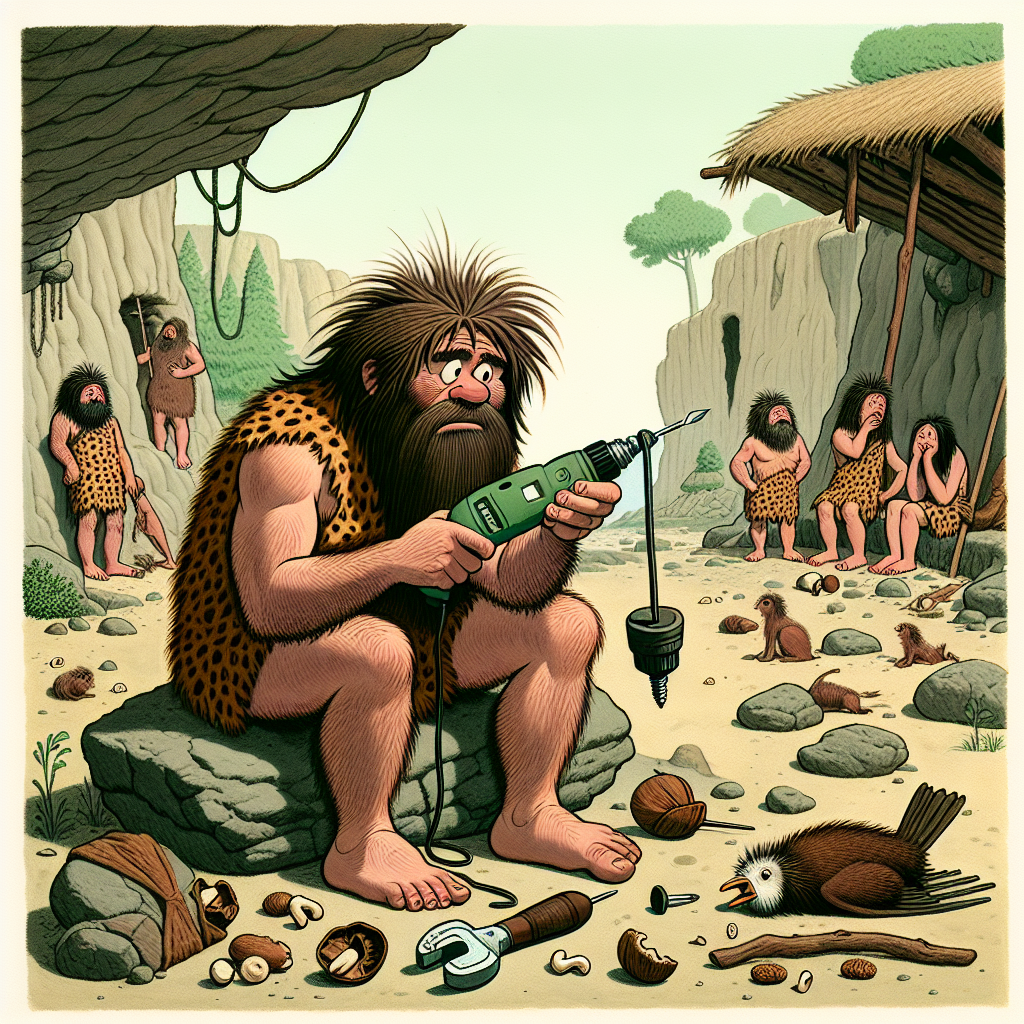
I wonder, why I my hardware was always superior than the one my companies provided me with. Shouldn’t they be interested in getting best quality? Would I order an electrician, and then forbid him to use his tools and give him my IKEA toolbox? – I wouldn’t!
A Software Craftsman’s tools are not mere instruments; they are his accumulated skill, capital, and tradition made tangible. I believe you have to care for your tools. Also, ★nix craftsmen often tend to solve problems with the capabilities of their systems.
BACs often get the Total Cost of Onwership wrong. Everyone has to have the one Laptop brand and best, the same operating system to save support costs. There is no such thing in their mind as self-support. And then of course they also have their compliance frameworks. They have one vendor and they believe it’s good to standardize.
But Linux is often run under the radar. You end with no Linux-certified hardware and in corporate mind there is no such thing as self-suppport. In reality people do administer their machines themselves – because they need to. And sometimes they wonder why takes days for a support ticket to get answered or ‘resolved’. And if it’s ’resolved’ in reality it is often: “Please reset your machine”! Why? Because there is a fundmental disconnect between supported OS (often just Windows or macOS) and the guy who is expecting you to use one of the officially supported systems.
Now that’s an example just for the extreme. But it begins with selection of the Laptop hardware and the tools you run on your system.
A craftsman tools was a significant investment or a medieval ages, often representing a substantial portion of his wealth. They weren’t just bought; they were sometimes inherited or painstakingly made by the craftsman himself (especially in the case of specialized tools). Losing tools could mean ruin.
-
Extension of the Self The tools were seen as an extension of the craftsman’s own hands and skill. The quality of the work was directly tied to the quality and condition of the tools. A master craftsman could not achieve his level of detail and precision with inferior or poorly maintained implements.
-
The Mark of Skill: The tools themselves, especially highly specialized ones like plane irons, chisels, or awls, were often subtly modified and honed to fit the specific grip, strength, and working style of the individual craftsman. This customization made them perform optimally for him.
-
Intimate Knowledge The craftsman knew every nick, wobble, and sweet spot of his tools. This intimate, intuitive knowledge allowed him to push the tool’s limits and achieve results a novice could not.
-
Heirloom and Legacy Tools were often passed down through generations—from master to apprentice, or father to son. This transfer was not just of the physical object, but of the knowledge and tradition associated with its proper use and care.
-
Pre-Industrial Customization Unlike modern, mass-produced tools, medieval tools often exhibited variation and weren’t made to rigid standards. The craftsman had to adapt his technique to the tool’s idiosyncrasies, further cementing their bond.
Let me state: a good software craftsman and their teams can resolve issues within hours instead of days or weeks because they treat their computer and their commands as their personal tools. Craftsman do share tools and understand each other, just like they understand and get inspiration from each others’ dotfiles or modern linuxtools (e.g. ripgrep is now the standard replacement for grep)